

Discover the Butterflies of Sapperton Wilder
Did you know the UK is home to 60 species of butterflies – 58 resident species of butterflies and two regular migrants – the Painted Lady and Clouded Yellow?
As indicator species, butterflies reveal a lot about the health of our environment. Sadly, the State of the UK’s Butterflies 2022 report found that 80% of butterfly species in the UK have decreased in either abundance, distribution, or both since 1976.
At Sapperton Wilder, we are taking action to reverse this trend. Through our regenerative management like grassland restoration, herbal leys, and wildflower margins, we are providing vital food and habitat for caterpillars and adult butterflies alike.
A Record-Breaking Summer
The hot, dry summer of 2026 proved to be an exceptional season for our local populations. At the height of the season, we recorded our highest count ever - over 3,000 butterflies spanning almost 20 different species, including the Brown Argus, Green Hairstreak, and Clouded Yellow.
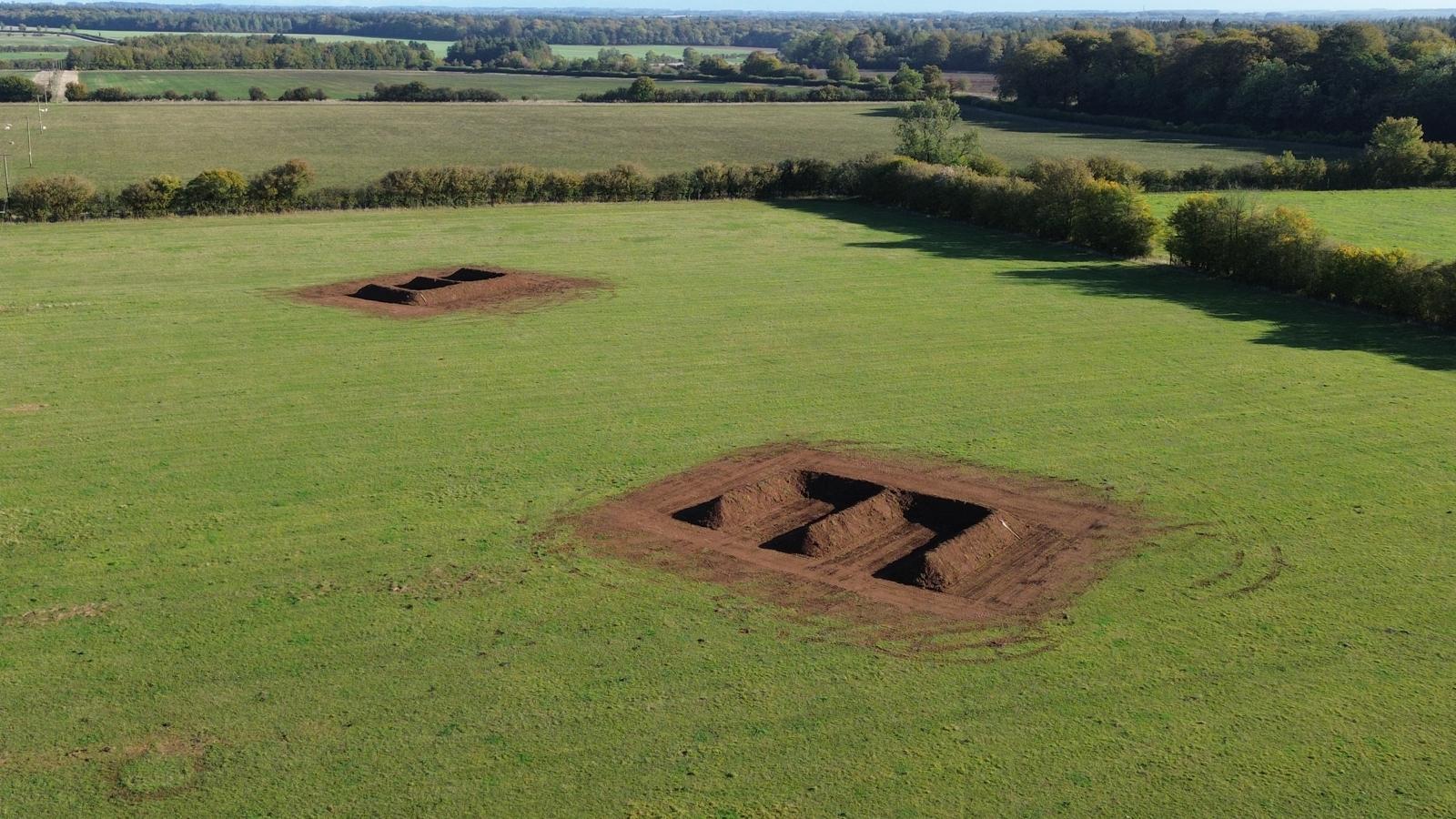
Climate Resilience: Our E-Shaped Butterfly Banks
Butterflies and other insects are highly sensitive to temperature changes - if it gets too cold or too hot, they cannot fly, feed, or mate. As extreme heat events become more frequent with climate change, providing microclimates and shaded refuges is vital for their survival.
To tackle this challenge, researchers at University of Cambridge have been working with landowners to install innovative E-shaped butterfly banks. These banks serve as a perfect experimental design to study these effects. We installed 4 butterfly banks in our Northern Block in October 2026.
- Microclimate Control: The unique shape of the butterfly banks creates varied temperatures, shade, and shelter, helping butterflies regulate their body temperatures.
- Controlled Research: This E-shape allows researchers to accurately monitor how slope direction and shelter affect insect behaviour in a way that can be replicated across other conservation sites.
- Proven Impact: Research by the Wildlife Trusts and the University of Cambridge shows these features work. During the 40°C heatwave in 2022, 97% of individual butterflies took refuge in sheltered and shaded locations like these banks. Once established, the banks also support a higher abundance and variety of ground-dwelling invertebrates compared to flat fields.
Looking Ahead
We are actively monitoring our new butterfly banks to understand how they benefit local insect populations and to guide future land management.
Want to help with monitoring or stay updated on our progress? Sign up to our mailing list to join our community effort!
Learn More
Explore other butterfly banks: